The Significance of Excellent Memory Assistance Services for Loved Ones
Quality memory care services function as an essential function for families managing the difficulties of dementia. These initiatives present bespoke support that handles both the interests of residents and their attendants. By enabling safekeeping, comfort, and personal ties, quality care helps to diminish feelings of isolation. However, not all senior living communities are created equal. Discerning what to look for can greatly impact the quality of life of those affected. What principal features should families value?
 }
}Dementia: Hurdles and Answers
Dementia brings a complicated range of obstacles for individuals, families, and support providers in like manner. The cognitive decline linked to dementia impacts memory, reasoning, and daily functioning, complicating routine tasks and elevating reliance on others. Families commonly struggle with the emotional toll of witnessing their loved ones' deterioration, leading to feelings of helplessness and frustration. Caregivers face the burden of managing physical care while handling the unpredictable behaviors associated with the condition.
To address these obstacles, premium dementia care programs deliver structured environments created to improve the quality of life for individuals with dementia. Such services generally include expert instruction for staff, tailored activity programs, and therapeutic interventions aimed at maintaining cognitive function. Additionally, these facilities provide relief for loved ones, enabling them to recharge while ensuring their family members get appropriate care. In the end, successful approaches can considerably alleviate the challenges related to dementia, fostering a supportive atmosphere for all involved.
Emotional Aid for Household Units
Supporting a loved one with cognitive decline can exert considerable emotional pressure on families. The demands of constant care duties commonly results in feelings of isolation, anxiety, and grief. Relatives may deal with the progressive deterioration of their loved one's personality, fostering a profound sense of sadness. This psychological strain can affect not only the principal care provider but also siblings and extended family, generating strained relationships and increased tension.
Having access to emotional support is crucial for families navigating these challenges. Community circles, counseling services, and local support systems can offer an space for sharing experiences and coping strategies. Engaging with people who understand similar struggles fosters a feeling of community and decreases loneliness. Ultimately, prioritizing emotional well-being is important for families, as it allows them to provide empathetic support while also maintaining their own psychological wellness.
The Importance of Professional Memory Care
Specialized memory care plays an indispensable role in improving the quality of life for individuals facing cognitive decline. These initiatives are designed to meet the unique needs of residents with conditions such as Alzheimer's or other forms of dementia. Trained staff members understand the complexities of cognitive impairments and establish tailored approaches that promote engagement and comfort.
In this specialized environment, residents benefit from structured routines that help reduce nervousness and confusion. Activities are intentionally made to stimulate cognitive function and promote social interaction, supporting a sense of community. Furthermore, the priority given to safety and security makes certain that individuals can experience their surroundings without superfluous risks.
Families often find peace of mind knowing their family members are receiving attentive support in a supportive atmosphere. Overall, professional dementia care not only meets physical needs but also supports emotional well-being, making it a crucial component of care for those experiencing cognitive decline.
Key Attributes to copyrightine in Cognitive Care Facilities
When analyzing memory care establishments, what key features should households highlight? Primarily, safety measures are crucial. Facilities should provide secure environments that discourage wandering, with features like fenced-in outdoor areas and controlled access points. In addition, staff-to-resident ratios are significant; larger staffing ratios often reveal more personalized care and responsiveness.
Next, relatives should consider the credentials and experience of caregivers. Caregivers should be trained in dementia care, ensuring they understand the special requirements of patients. Programming and activities designed to stimulate cognitive function and social interaction also are essential, as they enhance overall well-being.
Additionally, families should assess the facility's cleanliness and overall atmosphere. A welcoming environment can significantly affect residents' well-being. Finally, openness concerning pricing and offerings is essential, enabling families to make informed decisions. By concentrating on these key elements, families can choose the most suitable memory care facility for their family members.
The Manner in Which Quality Memory Care Expands Respect and Comfort
Superior cognitive care solutions emphasize honor and comfort through personalized techniques that satisfy distinct requirements. Tailored care plans, accompanied by caring staff relationships, establish a supportive environment for inhabitants. In addition, secure and interactive environments cultivate a feeling of belonging and health, elevating the total standard of living.
Customized Medical Treatment Plans
Personalized care plans have an essential role in enhancing the dignity and comfort of individuals in memory care facilities. These customized strategies consider each resident's unique history, preferences, and cognitive abilities, ensuring that care is both effective and respectful. By including families in crafting these plans, facilities nurture a partnership-based environment that prioritizes the individual’s needs and wishes. This customization strengthens the sense of identity and autonomy, allowing residents to take part in activities that connect with their past experiences. Additionally, personalized care plans may change over time in response to evolving needs and preferences. Such respect for individuality greatly boosts quality of life, supporting emotional well-being and a sense of belonging within the care community.
Compassionate Staff Interaction
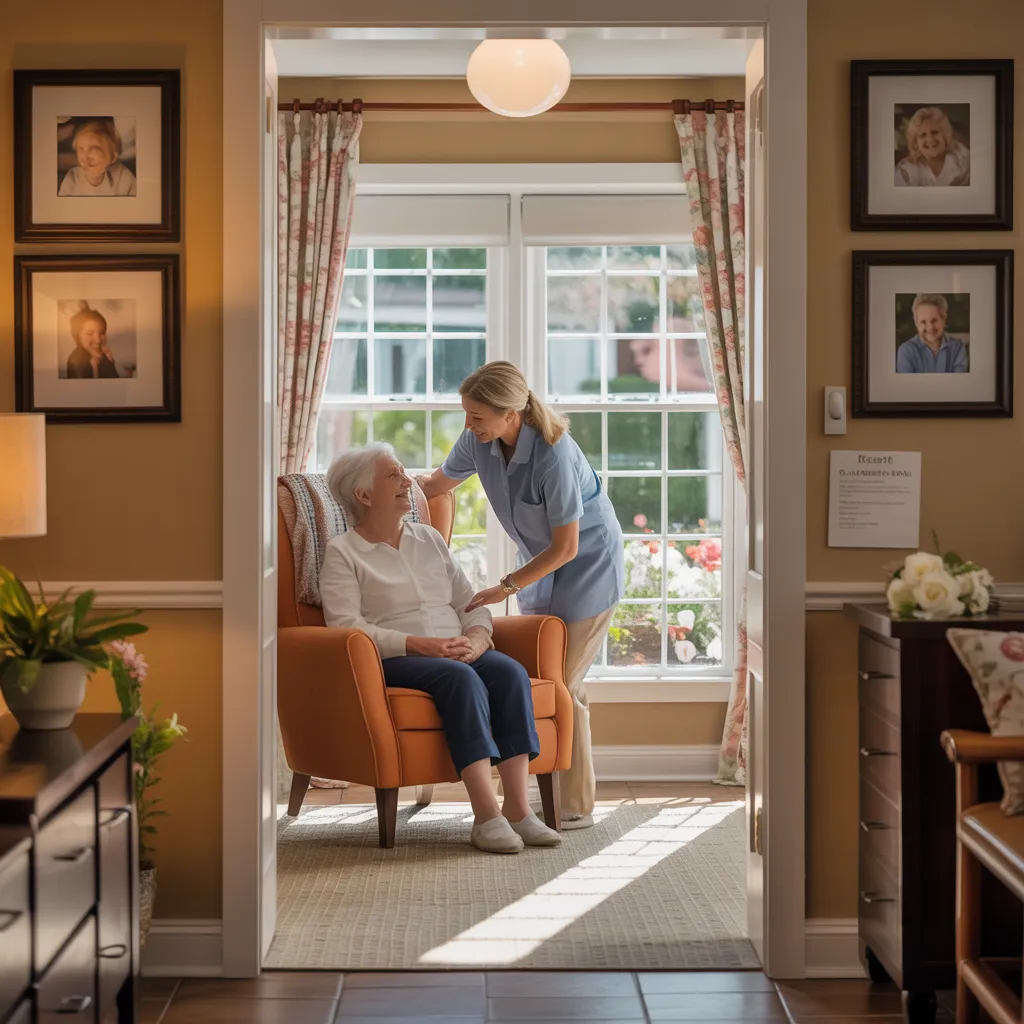
Effective memory care relies on not only individualized care regimens but also on the compassionate interactions between staff and residents. These interactions encourage an atmosphere of trust, essential for persons dealing with memory loss challenges. Compassionate staff members approach each resident with empathy, recognizing their unique histories and emotional needs. By holding meaningful conversations and showing forbearance, these caregivers enhance the dignity of each individual, making sure they feel esteemed and understood. This approach not only mitigates anxiety but also promotes a sense of belonging, crucial for emotional well-being. Ultimately, quality memory care excels when staff focus compassionate engagement, changing care from a routine task into a nurturing experience that prioritizes comfort and respect.
Protected, Interesting Surroundings
Establishing a secure and welcoming environment is key for enhancing dignity and comfort in memory care settings. High-quality memory care services ensure secure surroundings, minimizing risks related to wandering or accidents. Thoughtfully created spaces support independence, enabling residents to move freely while feeling protected. Activities that are engaging and customized to individual interests stimulate cognitive function and foster social connections among residents. These environments encourage participation, reducing feelings of isolation and improving overall well-being. In addition, the atmosphere should reflect warmth and familiarity, using personal touches that relate to each resident’s history. By combining safety with engagement, memory care services not only respect the dignity of individuals but also create a comforting haven where they can thrive amidst their challenges.
How Community Support Creates a Impact in Dementia Care
Community aid represents an essential role in strengthening memory care services by cultivating interpersonal bonds and bonding among individuals. Access to materials within the community can greatly improve the quality of care, offering vital tools and information. Additionally, expanded social participation possibilities lead to the overall well-being of those touched by memory challenges.
Emotions Bond and Bonding
Emotional ties act as a cornerstone in memory care, building an setting where individuals are made to feel valued and understood. Within memory care environments, community support encourages meaningful relationships among residents, caregivers, and families. These ties not only boost emotional well-being but also foster a sense of belonging. When caregivers interact empathetically with residents, they establish a safe space for sharing feelings and experiences, which helps to reduce feelings of isolation. Furthermore, group activities and social interactions encourage residents to connect with each other, strengthening their sense of identity and purpose. This emotional foundation significantly influences the overall quality of care, as individuals thrive when they feel connected, ultimately resulting in improved cognitive function and a better quality of life.
Gaining Access to Resources
Having access to support plays a key role in advancing memory care services, deepening the strong emotional connections formed among residents and caregivers. Community support provides critical tools and information that aid families in making informed decisions about care options. Local organizations frequently offer educational workshops, respite services, and support groups, which can reduce the burden on caregivers and enhance their understanding of dementia-related challenges. Access to trained professionals, such as social workers and therapists, further enhances the care experience. Furthermore, collaboration with regional healthcare facilities guarantees that residents receive thorough and coordinated care. Overall, a strong network of community resources builds a nurturing environment that significantly boosts the quality of life for individuals with memory impairments and their families.
Better Social Connection
How can strengthened community involvement reshape the lives of persons with cognitive disorders? Engaging socially within a supportive community offers emotional and cognitive benefits that are essential for those facing memory problems. Taking part in group activities strengthens bonds, minimizing emotions of solitude and detachment. These interactions stimulate brain activity, helping to maintain existing competencies and potentially slowing mental regression. Additionally, community support encourages a sense of belonging, which can greatly improve mood and overall well-being. Memory care facilities that prioritize social engagement build spaces where people can establish lasting bonds, boosting quality of life. This group-based strategy not only serves residents but also offers families with comfort, knowing their loved ones are prospering in a caring climate.
Long-Term Benefits of Quality Memory Care
While many families may initially seek memory care services primarily for direct aid, the long-term benefits of quality memory care extend far beyond short-term relief. These services not only supply essential daily assistance but also foster a structured environment that supports cognitive engagement and emotional well-being. Through adapted activities and therapeutic interventions, residents can experience improvements in memory retention and overall mental health.
Furthermore, superior memory care cultivates a feeling of belonging, reducing loneliness and worry often associated with memory disorders. This supportive atmosphere helps families by alleviating stress and providing peace of mind, knowing their loved ones are in capable hands. Moreover, skilled staff members can provide ongoing support, helping families manage the complexities of dementia care. Ultimately, choosing quality cognitive support programs yields substantial benefits, discover this enhancing the quality of life for both individuals with memory impairments and their families over the long term.
Frequently Posed Questions
How Might I Recognize First Warning Indicators of Cognitive Concerns?
Initial signs of memory difficulties can consist of regular forgetfulness, trouble keeping up with discussions, losing track of possessions, having trouble remembering what just happened, and shifts in emotional state or conduct. Noticing these warning signs may warrant a professional evaluation for further assessment.
What Are the Expenses Related to Memory Care Services?
Costs linked to memory care services differ significantly, typically ranging from $3,000 to $7,000 monthly. Factors influencing pricing include location, facility amenities, and the degree of personalized care required for each individual.
How Can I Find the Ideal Memory Care Community?
Identifying the best memory care facility requires studying possibilities, inspecting locations, reviewing staff credentials, scrutinizing safety measures, assessing available programs, and taking into account family feedback, confirming the facility meets the person's particular needs and preferences.
What Importance Do Caregivers Deliver in Dementia Care?
Caregivers extend crucial support in memory care by giving emotional support, aiding with daily routines, and creating individualized care approaches. Their knowledge and compassion greatly boost the well-being for individuals with memory impairments.
Can Memory Care Services Address Different Stages of Dementia?
Memory care services can competently support multiple phases of dementia by tailoring support and therapies to unique circumstances. This adaptability guarantees residents access fitting support, enhancing their quality of life throughout the development of dementia.